

The First Time I Heard Engines Dream: How Le Mans Changed a Nine-Year-Old in Missouri — and the Ten Films Every True Enthusiast Should Know
January 5, 2026
My mildly reckless, vaguely scientific prediction for F1 2026
January 19, 2026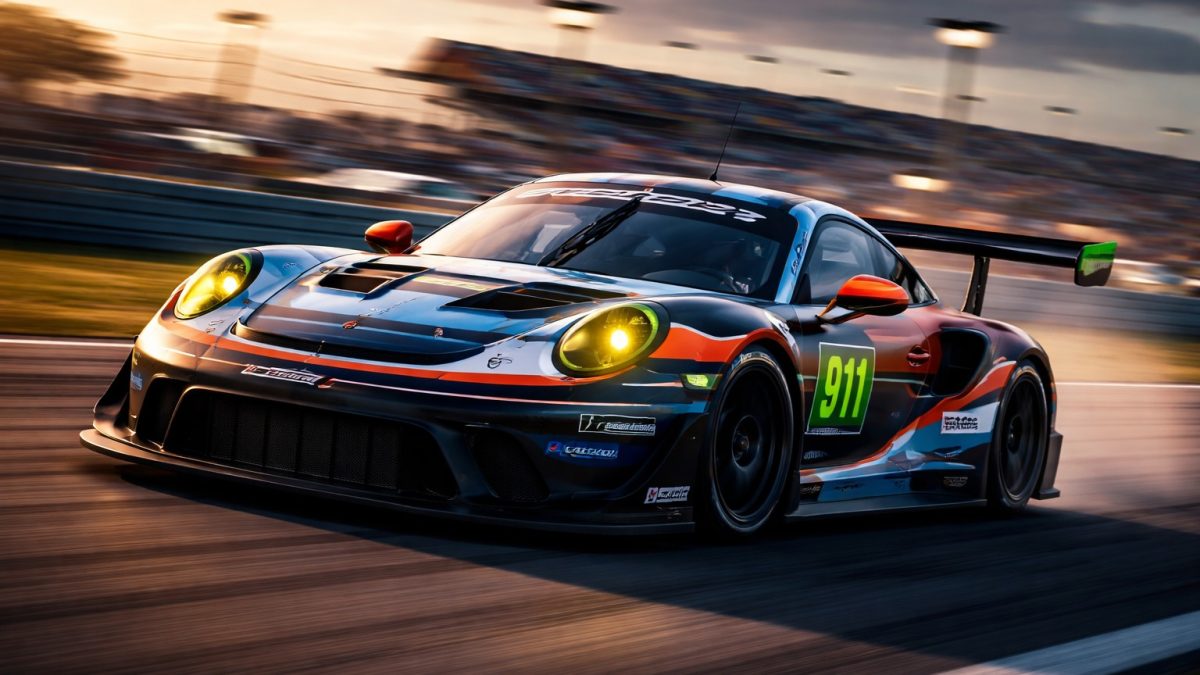
When Americans think motorsport, they often think NASCAR, IndyCar, or Formula 1. Yet one of the most compelling forms of racing—both technologically and emotionally—often remains under-discovered in the U.S.: IMSA and the FIA World Endurance Championship (WEC).
If you want a clear on-ramp for new fans, start with the most relatable part of the sport: GT racing.
GTD Pro and GTD are where brand loyalty becomes motorsport
In IMSA, GTD Pro and GTD are built to FIA GT3 regulations—race cars that closely resemble production sports cars in silhouette and identity. These are the classes where viewers don’t need a doctorate in aerodynamics to care. They can simply ask:
“Who do I want to win: Ford, Chevrolet, Porsche, Ferrari…?”
In 2025, IMSA’s GT fields include manufacturers such as Aston Martin, BMW, Chevrolet, Ferrari, Ford, Lamborghini, Lexus, Mercedes-AMG, and Porsche.
That’s a showroom-level set of rivalries—except the “test drive” is done at racing speeds, in traffic, under pressure, with pit strategy and endurance complexity layered on top.
The Ford Mustang effect: a powerful entry point for American audiences
Nothing expands a fanbase faster than familiarity—and few badges are more culturally familiar in the U.S. than Mustang. The arrival of the Ford Mustang GT3 gives American fans a direct emotional hook: a nameplate they recognize instantly, in direct conflict with global GT icons.
This matters because new fans often need one simple reason to watch:
- “I’m a Mustang person.”
- “I’ve always loved Corvettes.”
- “I grew up with Porsche posters.”
- “Ferrari is my irrational weakness.”
That’s not shallow fandom; it’s how sports work.
GT racing turns “car culture” into “team sport”
What makes GTD Pro/GTD particularly effective for audience growth is that it feels like a high-level extension of enthusiast culture:
- Corvette brings the American performance identity into direct competition with Europe’s best.
- Porsche represents precision and a decades-long racing lineage.
- Ferrari delivers brand mythology—and ruthless competitiveness.
- BMW and Mercedes-AMG bring German engineering—and serious factory-backed credibility.
- Lamborghini and Aston Martin deliver drama, design, and presence.
- Lexus quietly plays the long game with reliability and execution.
When people can choose a tribe, they return.
WEC doubles down on the same “relatable manufacturer” story
WEC’s LMGT3 category is also built on the GT3 platform and features a similar set of recognizable manufacturers. At Le Mans in 2025, nine constructors were represented in LMGT3: Aston Martin, BMW, Corvette, Ferrari, Ford, Lexus, Mercedes-AMG, McLaren, and Porsche.
So for an American audience, the message becomes simple:
If you like sports cars, you already understand the point of the sport.
How to get more Americans watching IMSA/WEC (manufacturer-first strategy)
1) Market “tribes,” not technicalities
New fans don’t enter through Balance of Performance debates. They enter through identity.
Actionable idea: Build content around simple, repeatable prompts:
- “Which GT brand is your brand—and why?”
- “Mustang vs Corvette: what each represents in 2026 performance culture”
- “Porsche vs Ferrari: precision vs passion (and why both are right)”
2) Turn races into “chapters” people can commit to
Endurance racing sounds intimidating until you reframe it.
Recommend two watch windows:
- Start / first hour (dense traffic, early decisions)
- Final 60–90 minutes (highest pressure, decisive mistakes)
That alone can convert casual viewers into repeat viewers.
3) Make dealerships and car communities part of the broadcast ecosystem
The U.S. already has the infrastructure: dealers, Cars & Coffee, owner clubs, track-day communities.
Actionable idea: local “manufacturer nights”
- Ford Performance night (Mustang GT3 featured)
- Corvette night
- Porsche night
…with a watch party + 10-minute “class explainer” + giveaways + QR code linking to the viewing guide.
4) Use GTD as the gateway to prototypes
Here’s the conversion ladder that works:
GTD → GTD Pro → GTP/Hypercar
Once someone cares about Mustang vs Corvette vs Porsche, they naturally start noticing the prototypes. The sport becomes legible.
5) Emphasize the “Win on Sunday, learn on Monday” appeal
IMSA itself has leaned into the fact that it showcases a wide spread of manufacturers and real brand competition across its platforms.
For American audiences—especially younger ones—this can be framed as:
- engineering
- design
- team operations
- performance under constraints
…not just entertainment.
Closing thought
If we want IMSA and WEC to grow in the U.S., we should stop treating them as niche and start presenting them as what they are:
a manufacturer-driven, enthusiast-readable form of elite competition—where the cars people love become characters in a long, strategic story.
And in GTD Pro and GTD, that story is as accessible as it is world-class.