
Why You Should Be Watching Sports Car Racing (IMSA + WEC): The Manufacturer Wars You Can Actually Relate To
January 11, 2026
Citizen Kane and Reflections of Trump
January 19, 2026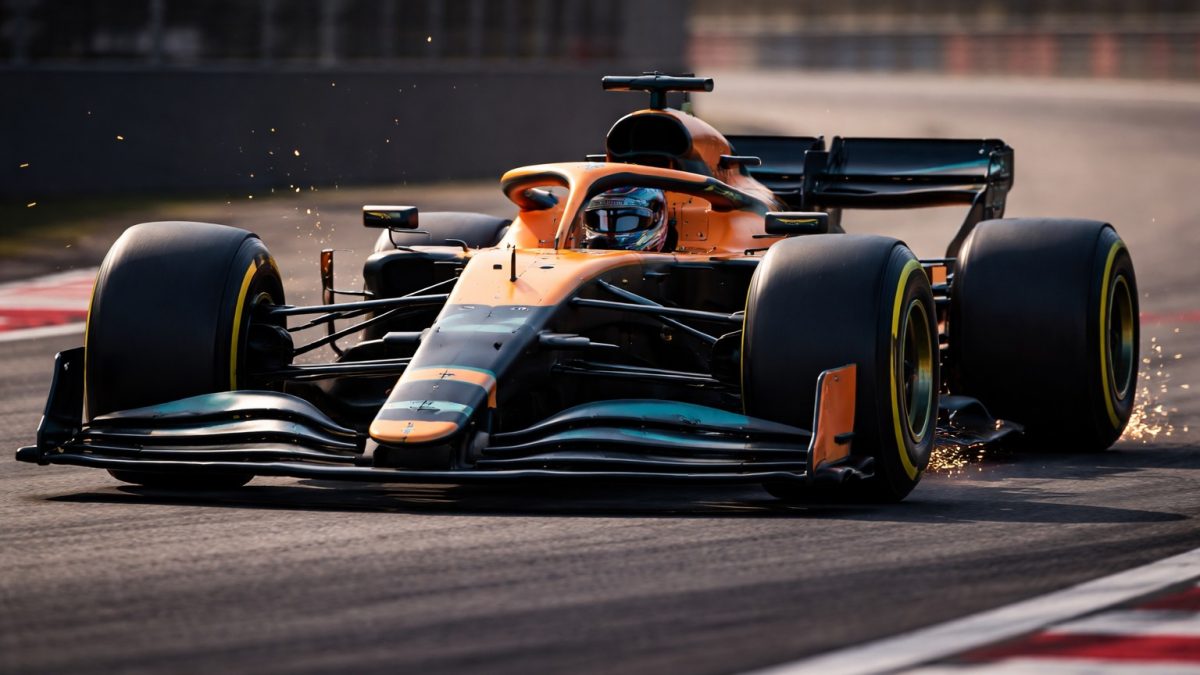
(aka: the year the cars go on a diet, the engines go electrical, and everyone pretends they’re totally calm about it)
Right, —2026 isn’t just “a new season.” It’s a regime change. We’re getting smaller, lighter cars, a major aerodynamic rethink, and power units that lean far harder into electrification while running on 100% sustainable fuel. If you ever wanted a year where the sport feels like it’s been rebooted by a committee of engineers armed with slide decks and moral urgency… congratulations, we’re here.
The headline physics: the cars are trimmed down to be more agile (and, crucially, more punishing at the limit), while active aero and new overtaking tools are meant to make following and passing less like interpretive dance and more like racing. Translation: drivers will have more moments where the car says, “I’m sorry, who gave you permission to be confident?”
Now, predicting who nails a new ruleset is always a bit like predicting which cat will become Prime Minister. But we can still be intelligently cheeky about it.
Title fight: McLaren vs Everyone (with Red Bull being… Red Bull)
Prediction #1: McLaren start 2026 as the “default” favourite.
Not because destiny wrote it in the clouds, but because they roll into this new era as the reigning benchmark and with a stable, lethal driver pairing. Reuters has Norris entering 2026 as the defending champion, and McLaren clearly aren’t acting like a team about to forget how to build fast things. If the new package rewards teams who manage complexity cleanly—hybrid energy deployment, active aero behaviours, tyre management—McLaren look annoyingly well set up.
Prediction #2: Red Bull will be scary, but not instantly invincible.
The Ford-backed Red Bull Powertrains project is real engineering effort, not a sticker job, and they’re talking like a team that’s deep in the weeds on manufacturing and EV-component supply chains—i.e., exactly the boring stuff that wins championships in new eras. That said, new power unit regulations + new aero + new tools = a lot of moving parts. Even Max Verstappen can’t personally intimidate electrons into flowing faster (though I’d watch the documentary). And Red Bull’s line-up shift—with Isack Hadjar stepping in as Verstappen’s teammate—adds a “how quickly does this gel?” variable.
So: I think Red Bull win races early, look occasionally mortal, then become terrifying by midseason—the usual narrative arc, like a horror film where the monster is introduced politely and then starts rearranging furniture.
Ferrari and Mercedes: the big brands with big questions
Prediction #3: Ferrari will be the season’s most operatic contender.
They’ll be brilliant on certain weekends, baffling on others, and the fanbase will experience every human emotion in alphabetical order. They remain a continuity power with their own engine program, which matters when 2026 power units are effectively a new dialect of hybrid language. Do I see a championship? Possible. Do I see at least three races where the strategy looks like it was written by a poet in a thunderstorm? Also possible.
Prediction #4: Mercedes will either look like geniuses or like they’ve invented a very fast spreadsheet.
They’re powering a big chunk of the grid in 2026, and that can be a strength—shared learning, lots of data, lots of mileage across teams. But customer ecosystems can also become a “too many cooks, not enough horsepower” situation if the core concept is off.
The new kids: Audi and Cadillac
Prediction #5: Audi’s first year is disciplined, not dominant.
New works programs usually take time: processes, culture, recruitment, integration—especially under a totally fresh technical framework. If they’re smart, they’ll aim for consistent points, a few statement weekends, and a clear trajectory rather than miracles.
Prediction #6: Cadillac have a respectable debut, but not a fairytale.
Cadillac enter the grid in 2026 as a Ferrari-customer power unit team, with GM’s own power unit program approved to arrive later (from 2029). That’s sensible: build the team, build the infrastructure, learn the sport, then bring the full-fat factory ambition. Expect scrappy energy, occasional chaos, and at least one weekend where everyone goes, “Hang on… they’re not terrible.”
The dark horse: Aston Martin chaos magic
Here’s my spiciest take: Aston Martin could be the season’s “surprise headline” team—not necessarily champions, but the outfit that randomly wins a race in a way that makes the paddock stare into the middle distance. Honda returns as their power unit partner, and 2026 is exactly the kind of reset where one genius aerodynamic concept can turn “midfield” into “what fresh witchcraft is this?”
My final, properly reckless predictions
- Drivers’ Champion: Norris (by a squeak), with Verstappen second and a Ferrari in the mix until late.
- Constructors’ Champion: McLaren, because stability + momentum + competence is the deadliest cocktail in a new era.
- Most improved headline: Aston Martin (one win, several “how?” podiums).
- Best new-team moment: Cadillac score a points finish that the internet overreacts to for a full week.
And all of this unfolds across a 24-race calendar starting in Australia (March 6–8) and ending in Abu Dhabi (December 4–6)… because modern F1 believes in sustainability and also in exhausting everyone to the point of spiritual enlightenment.